10 Erased Historical Events That Will Change Your View of the Past

Introduction: The Fragments Left Behind
Have you ever felt that the history books only tell half the story? Across the globe and throughout time, countless significant moments have been intentionally hidden, obscured by propaganda, or accidentally forgotten due to poor record-keeping. The official narrative we learn in schools is often curated by the victors, designed to build national pride rather than reflect objective reality.
From secret political plots that threatened the foundations of democracy to devastating human tragedies that governments desperately tried to cover up, exploring erased historical events reveals a surprisingly different, often darker, view of our world. By digging into these forgotten archives and unearthing the suppressed voices of the past, we gain a much deeper understanding of how our modern society was truly formed. Let’s uncover the fascinating truths that were almost lost forever to the shadows of time.
In This Comprehensive Guide, You Will Discover:
- The Mechanisms of Censorship: The real reasons why governments and victors intentionally hide or alter history to maintain power.
- The Tulsa Race Massacre (1921): Detailed insights into the destruction of Black Wall Street and the century-long struggle for its acknowledgment.
- The Sultana Disaster (1865): How the greatest maritime disaster in American history was completely overshadowed by President Lincoln’s assassination.
- Preserving the Future: Practical ways historians and ordinary citizens can discover and preserve undocumented global tragedies for future generations.
Table of Contents
Uncovering the Truth Behind Erased Historical Events
To truly understand the modern world, we must first look at the massive gaps in our historical records. The following sections explore the mechanisms of historical erasure and detail some of the most shocking examples of events that were deliberately swept under the rug.
why history is hidden
Have you ever wondered why certain significant moments simply vanish from our textbooks? The phenomenon of erased historical events is not a new occurrence; it has existed as long as human civilization itself. Generally, it is believed that political motives, cultural shifts, and the simple desire to maintain societal stability play massive roles in deciding what gets remembered and what gets forgotten. When a ruling power establishes its authority, constructing a unifying national narrative becomes paramount. This narrative requires heroes, glorious victories, and unquestionable moral superiority.
Consequently, governments and ruling powers often emphasize their monumental achievements while minimizing, or entirely omitting, their devastating failures and moral compromises. For example, a highly controversial domestic policy or an aggressive foreign military intervention that resulted in massive civilian casualties might be downplayed in official state records. The goal is to protect a specific legacy and prevent future generations from questioning the legitimacy of the state. It is a psychological defense mechanism applied on a macro, national level.
Furthermore, psychological discomfort among the general populace also contributes to this erasure. Societies often experience collective amnesia regarding events that induce deep shame or guilt. Acknowledging a dark past requires confronting uncomfortable truths about ancestors and national identity. By understanding this natural human tendency to avoid pain, we can approach our past with a more critical, analytical, and open mind, recognizing that the absence of a record does not mean the absence of an event.
forgotten past examples
Throughout time, countless tragedies, profound societal shifts, and groundbreaking cultural movements have been left out of mainstream historical narratives. The reason for this omission is usually that these specific events challenge the comfortable, linear stories societies prefer to tell themselves. A narrative of constant progress and inherent goodness is deeply appealing, but reality is rarely so simple. We can see this pattern of omission across various continents and spanning multiple centuries.
For instance, the histories of indigenous populations worldwide are frequently glossed over or simplified into footnotes within the broader story of colonization. Complex civilizations, sophisticated agricultural systems, and intricate political alliances of native peoples are often ignored in favor of a narrative that begins only with the arrival of European explorers. Similarly, massive civil unrest, labor strikes that shaped modern workers’ rights, and early civil rights movements are frequently diluted in history books to appear less radical than they actually were.
Exploring these forgotten past examples is not merely an academic exercise; it allows us to appreciate the true, messy complexity of human civilization. It forces us to recognize that history is not a single, unbroken thread, but a vast tapestry woven with both triumph and horrific tragedy. Acknowledging these forgotten examples is the first step toward building a more inclusive and accurate understanding of how we arrived at our present moment.
Tulsa Race Massacre
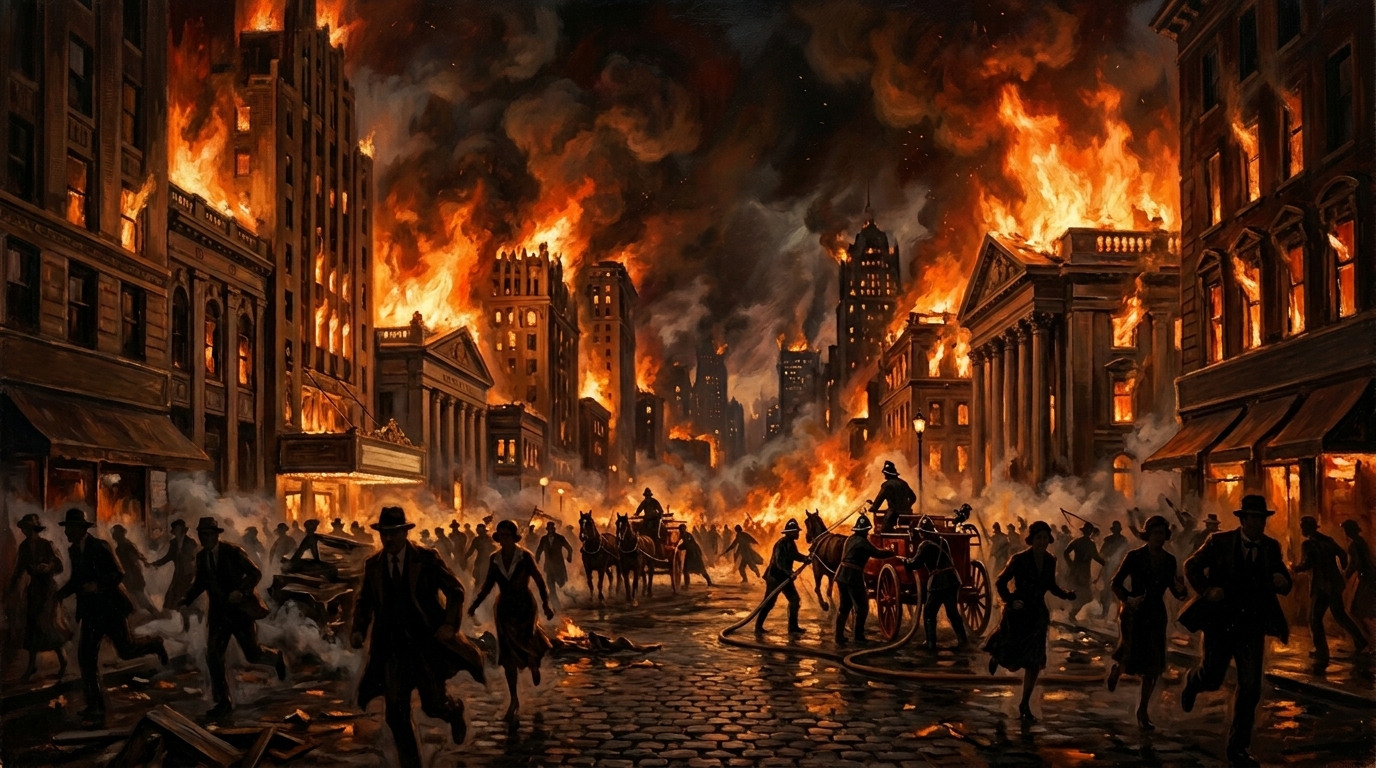
One of the most devastating and horrific incidents in American history took place in 1921, yet it remained largely ignored, essentially becoming one of the most prominent erased historical events for decades. In the prosperous Greenwood District of Tulsa, Oklahoma—often respectfully called “Black Wall Street” due to its incredible economic success—mob violence erupted. Spurred by sensationalized media reports and deep-seated racial resentment, a white mob attacked the affluent African American community.
The scale of the destruction was unprecedented. Over the course of two days, the mob burned down more than 35 square blocks of the neighborhood, destroying hundreds of thriving businesses, churches, schools, and private homes. Official reports at the time significantly downplayed the estimated number of casualties, initially claiming only a few dozen deaths, while modern historians estimate the toll to be anywhere from 100 to 300 lives lost. Thousands were left homeless and interned in temporary camps.
Perhaps even more shocking than the event itself was the immediate, systematic effort to erase it from history. Police records vanished, newspaper articles detailing the massacre were physically cut out of archives, and the subject became taboo in local schools. It serves as a stark, chilling reminder of how entire thriving communities can be suddenly overshadowed and deliberately removed from the collective memory. It wasn’t until the late 1990s that a state commission was finally formed to officially document the truth of what happened in Greenwood.
The Holodomor Famine
Moving across the globe to Eastern Europe, we encounter another massive tragedy shrouded in decades of denial. Between 1932 and 1933, millions of people in Ukraine perished in a devastating, catastrophic famine known today as the Holodomor (which translates to “death by hunger”). While famines can occur naturally, historical consensus and extensive archival research now suggest that this specific tragedy was entirely man-made.
The famine was driven by the aggressive agricultural collectivization policies and impossibly high grain quotas imposed by the Soviet regime under Joseph Stalin. Despite widespread starvation, the Soviet government continued to export grain to international markets, effectively weaponizing hunger to break the resistance of Ukrainian farmers and suppress Ukrainian nationalism. Villages that failed to meet quotas were blockaded, preventing food from entering and people from leaving.
For a very long time, records of this immense suffering were ruthlessly suppressed. The Soviet Union outright denied the existence of the famine on the international stage, manipulating foreign journalists and diplomats to report that conditions were normal. Anyone within the USSR who dared to mention the starvation faced severe punishment, imprisonment, or execution. Recognizing this horrific event today is absolutely crucial for understanding the deep-rooted historical tensions, geopolitical dynamics, and the fierce spirit of independence in modern Eastern Europe.
victors rewrite history
We often hear the famous, albeit slightly cliché, quote that “history is written by the victors.” This phrase encapsulates a profound truth about how historical narratives are constructed and disseminated. This phenomenon happens because the dominant force in any conflict—whether a military war, a political revolution, or a cultural shift—naturally gains absolute control over the educational systems, publishing houses, and media channels of the era.
Consequently, the perspectives, the legitimate grievances, and the immense suffering of the defeated or marginalized groups are frequently left out of the final, official draft of history. The victors have the luxury of portraying themselves as morally righteous liberators, while painting their adversaries as chaotic villains. This binary framing makes for compelling national mythology, but it severely distorts the complex reality of human conflict, where atrocities are often committed by all sides.
To combat this ingrained bias, it is generally necessary for modern researchers and students of history to actively seek out multiple, independent sources to get a balanced view. Reading diaries, letters, and oral testimonies from the “losing” side provides invaluable context that official government documents intentionally omit. Only by piecing together these fragmented, dissenting voices can we hope to reconstruct a narrative that approaches objective truth.
Sinking of the Sultana
Sometimes, erased historical events are not the result of malicious government censorship, but rather a bizarre quirk of timing and public attention. In April 1865, the side-wheel steamboat Sultana exploded violently on the Mississippi River near Memphis, Tennessee. The catastrophic boiler explosion resulted in an estimated 1,800 fatalities, making it the deadliest maritime disaster in United States history—surpassing even the death toll of the famous RMS Titanic.
The boat was legally permitted to carry only 376 passengers, but a combination of military bureaucracy and rampant corruption led to it being crammed with over 2,100 people. The vast majority of the passengers were recently released Union prisoners of war, desperate to return home after enduring horrific conditions in Confederate prison camps. They survived the brutal war, only to meet a fiery end on the river.
However, despite the staggering loss of life, you might not have ever heard of the Sultana. Why? Because the disaster happened on April 27, 1865, just days after the assassination of President Abraham Lincoln, and at the exact time the assassins were being hunted down. Furthermore, the Civil War was just ending. The massive national mourning for the president and the news of the war’s conclusion completely dominated the newspapers, leaving little room on the front pages for this unprecedented maritime disaster. This illustrates how timing alone can cause a massive human tragedy to become a forgotten footnote.
The Zong Massacre
The horror of the transatlantic slave trade contains many dark, almost incomprehensible chapters, but the 1781 Zong Massacre stands out as particularly shocking and emblematic of the era’s cruelty. The British slave ship Zong was navigating to the Americas when navigational errors extended the journey, leading to a shortage of drinking water. Faced with the prospect of enslaved people dying of thirst—which would be a total financial loss for the owners—the captain made a horrifying decision.
The crew of the Zong deliberately threw more than 130 living, breathing enslaved African men, women, and children overboard to drown. The twisted logic was that if the enslaved people died of natural causes (thirst), the ship’s owners would bear the financial loss. However, if they were jettisoned to “save the remaining cargo,” the owners could claim the loss on their maritime insurance policy. The human beings were treated purely as expendable commodities.
When the ship returned to England, the subsequent court case did not prosecute the crew for mass murder. Instead, the legal system treated the tragedy merely as an insurance dispute between the ship owners and the insurance underwriters. Highlighting this gruesome event today helps us fully comprehend the profound dehumanization and the stark, legal acceptance of extreme violence that underpinned the global economy during that dark era. It eventually became a rallying cry for the abolitionist movement.
most covered up events
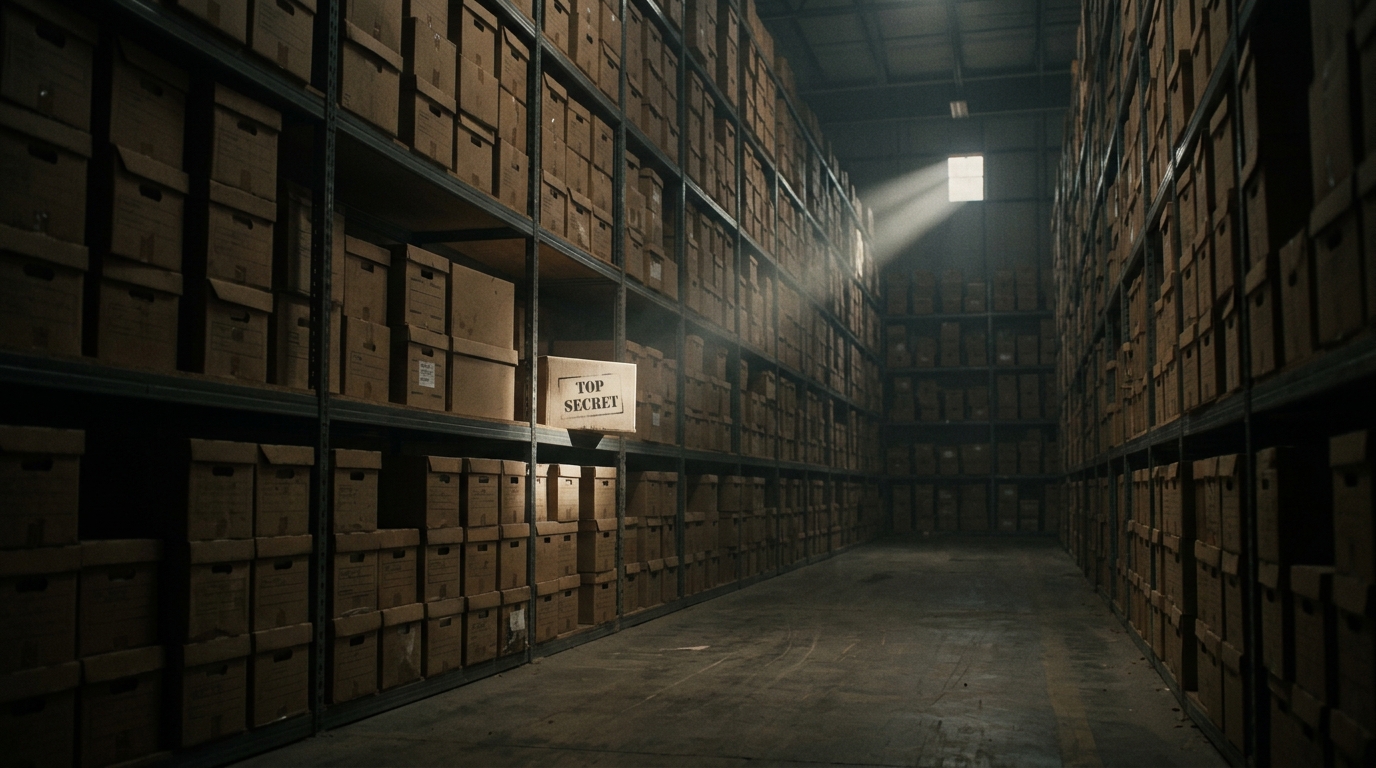
When looking at modern global history, state-sponsored censorship is responsible for intentionally hiding numerous significant occurrences. Often, these elaborate cover-ups are implemented by political leaders and intelligence agencies to avoid immediate public outrage, prevent widespread panic, or dodge severe international sanctions and human rights tribunals. The desire for self-preservation among the elite often supersedes the public’s right to know the truth.
These cover-ups span a wide range of categories. From undisclosed, illegal military operations in foreign nations and covert assassinations, to hidden environmental disasters (such as unacknowledged nuclear accidents or massive chemical spills) and unethical medical experiments conducted on vulnerable populations. Governments have historically utilized their immense power, legal frameworks, and intelligence apparatuses to restrict access to the truth and silence whistleblowers through intimidation.
Investigating these topics requires incredible diligence, a skeptical mindset, and a willingness to fiercely question official narratives provided by authorities. Investigative journalists and dedicated historians must often rely on leaked documents, anonymous sources, and the slow, grueling process of Freedom of Information Act (FOIA) requests to slowly peel back the layers of deception. It is a constant battle between transparency and state secrecy.
hidden historic records
Even today, in our seemingly hyper-connected and transparent information age, vast amounts of critical historical data remain locked away in classified government archives around the world. These documents are typically restricted under the broad, sometimes vague, guise of “national security.” Depending on the country and the sensitivity of the material, files can remain classified for 30, 50, or even 100 years, effectively burying the truth for generations.
While the process of declassification eventually brings some of these hidden facts to light, the extreme delay ensures that the immediate political impact and public outrage are minimized. By the time the truth of an illegal war or a corrupt policy is finally revealed, the politicians responsible are usually long out of office, or deceased, completely escaping any real accountability or legal consequences. The delayed release acts as a temporal shield for historical crimes.
If you are researching these specific archives or looking into historical conspiracy theories, it is generally advised to check official government databases and national archive websites for the latest release schedules. Organizations dedicated to government transparency constantly fight legal battles to expedite these releases. Accessing original, primary source documents, once they are declassified, is the most thrilling and accurate way to bypass textbooks and touch the raw edges of erased historical events.
How Erased Historical Events Shape Our Modern World
The past is never truly dead; it actively shapes the politics, culture, and social movements of the present day. When history is erased, the wounds remain unhealed. In this section, we examine events that were hidden well into the modern era, and discuss the importance of reclaiming these lost narratives.

Jeju Uprising 1948
On the famously beautiful, volcanic island of Jeju in South Korea, a tragic and bloody conflict began in 1948 that ultimately resulted in the loss of tens of thousands of civilian lives. Amidst the tense, chaotic geopolitical backdrop of the emerging Cold War and a divided Korean peninsula, local protests against the scheduled elections were met with extreme, disproportionate military force by the US-backed South Korean government.
The suppression campaign was utterly brutal. Villages were systematically burned to the ground, and a significant percentage of the island’s population was massacred under the suspicion of being communist sympathizers. What makes this event a prime example of erased historical events is what happened next: for decades, merely speaking about this uprising and the subsequent harsh suppression was strictly forbidden under South Korea’s draconian national security laws. Survivors were forced into silence, living alongside the perpetrators.
It wasn’t until the democratic transition and the early 2000s that the South Korean government finally, officially apologized and established a committee to begin uncovering the truth. Bodies were exhumed, memorials were built, and the taboo was finally broken. This painful history shows that societal healing and true national reconciliation can only begin when silenced histories are finally acknowledged and the victims’ pain is validated on a national level.
The Business Plot
In 1933, amidst the depths of the Great Depression, a bizarre and largely forgotten political conspiracy allegedly unfolded right in the heart of the United States. Retired Marine Corps Major General Smedley Butler—one of the most highly decorated military men of his time—shocked the nation when he testified before a congressional committee. He claimed that a group of incredibly wealthy businessmen and Wall Street brokers had approached him with a treasonous proposition.
According to Butler, these corporate elites wanted him to lead an army of 500,000 disgruntled war veterans in a fascist coup against the newly elected President, Franklin D. Roosevelt. The alleged goal was to overthrow FDR’s New Deal government, which the businessmen viewed as dangerously socialist, and install Butler as a dictator friendly to corporate interests. Although the congressional committee (the McCormack-Dickstein Committee) found Butler’s testimony regarding the existence of the plot to be credible, no criminal prosecutions ever took place.
The mainstream media at the time, largely owned by wealthy interests, mocked Butler’s claims or buried the story in the back pages. The entire episode quickly faded from the headlines and was subsequently left out of almost all high school history textbooks. It remains a fascinating, terrifying example of how close democratic institutions can potentially come to being quietly subverted by extreme wealth, and how easily such monumental events can be swept under the rug of erased historical events.

undocumented tragedies
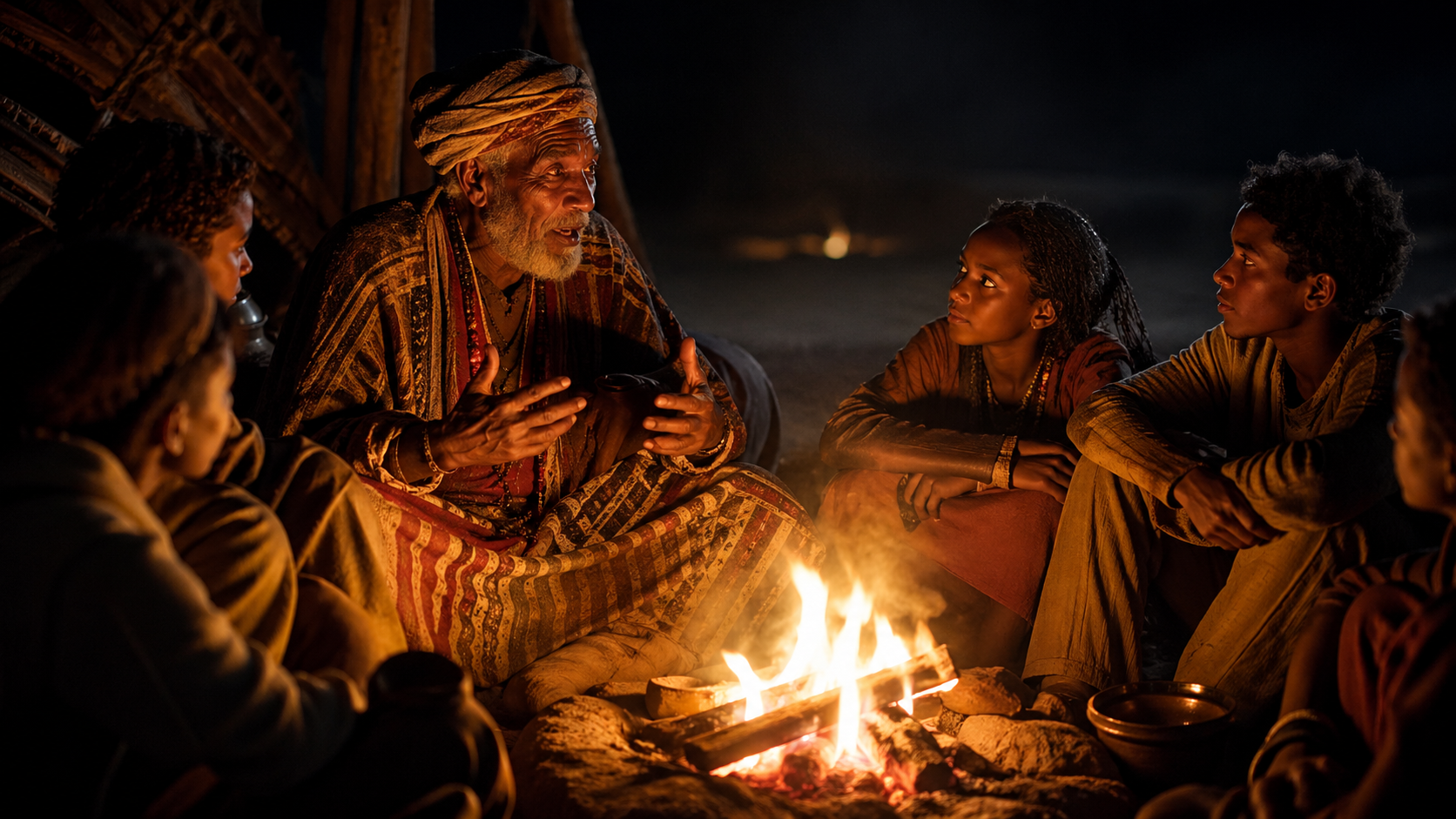
It is a tragic reality that many marginalized communities throughout history have suffered immensely without their pain ever being recorded in official state documents or academic journals. Because these groups often lacked access to printing presses, formal education systems, or the political power to document their own experiences, their stories relied entirely on the fragile transmission of oral traditions, folk songs, and community memory.
When these vulnerable communities are physically displaced by war, colonization, or natural disasters, or when their languages are suppressed, these unwritten memories risk disappearing forever into the void. The erasure here is not necessarily an active cover-up by a government, but a passive erasure caused by systemic inequality. If no one writes it down, and the people who remember it pass away, the event practically ceases to exist in the historical record.
Therefore, supporting oral history projects, anthropological research, and indigenous language revitalization efforts is generally recommended as an incredibly effective way to rescue these vulnerable narratives. By actively seeking out and recording the memories of elders before they are lost, historians can ensure that these undocumented tragedies finally find their rightful place in the broader narrative of human history.
not taught in schools
It is a common and highly justified frustration among adults that standard educational curriculums leave out vast, incredibly important portions of the global story. Time constraints in the classroom and intense political pressures from school boards mean that educational systems often focus on a highly simplified, sanitized, and patriotic version of history. The goal of basic education is often civic cohesion, not critical historical analysis.
Consequently, many individuals realize later in life that they know absolutely very little about the historical struggles of minority groups, the intricate details of labor movements, or the darker, more exploitative actions of their own nations on the global stage. Topics like imperialism, systemic racism, and the complex motives behind major wars are frequently reduced to multiple-choice questions that strip away all nuance and moral ambiguity.
Expanding your historical knowledge beyond the confines of the traditional classroom is therefore absolutely essential for developing a well-rounded, mature perspective of the world. By recognizing that what is not taught in schools is often just as important as what is, individuals can begin to actively seek out alternative viewpoints and question the simplified narratives they were raised to believe.
dark history secrets
Human curiosity is naturally and undeniably drawn to the macabre, the forbidden, and the secretive aspects of our collective past. Uncovering these hidden truths and dark history secrets often fundamentally challenges our deeply held preconceptions about famous historical figures, revered national institutions, and the supposed moral arc of the universe. It forces us to confront the reality that great achievements are often built on a foundation of profound suffering.
While it can be incredibly uncomfortable, and sometimes deeply disturbing, to confront these realities—such as the eugenics movements that were popular in early 20th-century Western democracies, or the horrific medical experiments conducted during wartime—ignoring them only perpetuates historical ignorance. Refusing to look at the dark aspects of history prevents us from learning the vital lessons necessary to avoid repeating those same catastrophic mistakes.
Embracing the full, unvarnished, and often ugly truth is generally considered a much healthier and more mature approach to understanding human nature. It requires intellectual courage to peer into the shadows of the past, but doing so equips us with the critical thinking skills needed to navigate the moral complexities of the modern world.
books on hidden facts
If you feel inspired to dive deeper into these suppressed stories and uncover more erased historical events, there is, thankfully, a wealth of incredible, well-researched literature available today. Investigative authors, intrepid journalists, and dedicated revisionist historians dedicate years of their lives to combing through thousands of pages of declassified files, hunting down forgotten diaries, and interviewing elderly survivors to bring these vital events into the light.
Reading these specialized books is not only intellectually stimulating; it is a powerful, active way to honor the memories of those who were intentionally forgotten by the establishment. Books focusing on micro-history, the history of marginalized groups, and critical analyses of government cover-ups provide the necessary context that broad overview textbooks entirely lack.
Please check official publishers, independent bookstores, or your local public library for the latest availability of these insightful titles. Look for authors who heavily cite primary sources and offer fresh, challenging perspectives on established historical dogmas. Building a personal library of these works is a commitment to continuous learning and historical truth.
preserving true history
Ultimately, ensuring that the past is accurately recorded and accessible is a profound responsibility we all share as citizens of the world. It cannot be left solely to government agencies or academic institutions. Modern digital archives, blockchain technology, courageous whistleblowers, and independent investigative journalists play an absolutely critical role in preventing facts from being maliciously manipulated, altered, or permanently destroyed by those in power.
By actively supporting transparent historical research, funding independent archives, and consistently questioning dominant, state-sponsored narratives, we help protect the objective truth for future generations. When we refuse to let history be erased, we empower ourselves to make better political and social decisions in the present. We build a cultural defense against propaganda.
Recognizing and publicizing erased historical events is the very first, crucial step toward building a more honest, just, and equitable society. It is a reminder that history is not a fixed, dead thing, but a living, breathing narrative that we all have the power to uncover, understand, and preserve. The fragments left behind are waiting for us to piece them together.
Summary of Erased Historical Events
- Political motives and national pride often dictate which uncomfortable facts are hidden.
- Victorious powers typically rewrite official narratives to justify their dominance.
- The Tulsa Race Massacre of 1921 destroyed Black Wall Street and was covered up for decades.
- The Holodomor was a devastating 1932 man-made famine in Ukraine denied by the Soviets.
- President Lincoln’s death completely overshadowed the tragic Sultana steamboat sinking.
- The Zong Massacre revealed the stark, legal horrors and dehumanization of the slave trade.
- State-sponsored censorship actively hides significant occurrences like military and environmental disasters.
- The 1948 Jeju Uprising truths and massacres were suppressed under strict national security laws.
- The Business Plot was an alleged, yet credible, 1933 fascist US coup attempt that was largely ignored.
- Standard school curriculums often intentionally omit dark history secrets to promote civic cohesion.
- Unwritten oral traditions and cultural memories help save undocumented human tragedies.
- Reading diverse, independent books is crucial to uncovering and honoring erased historical events.