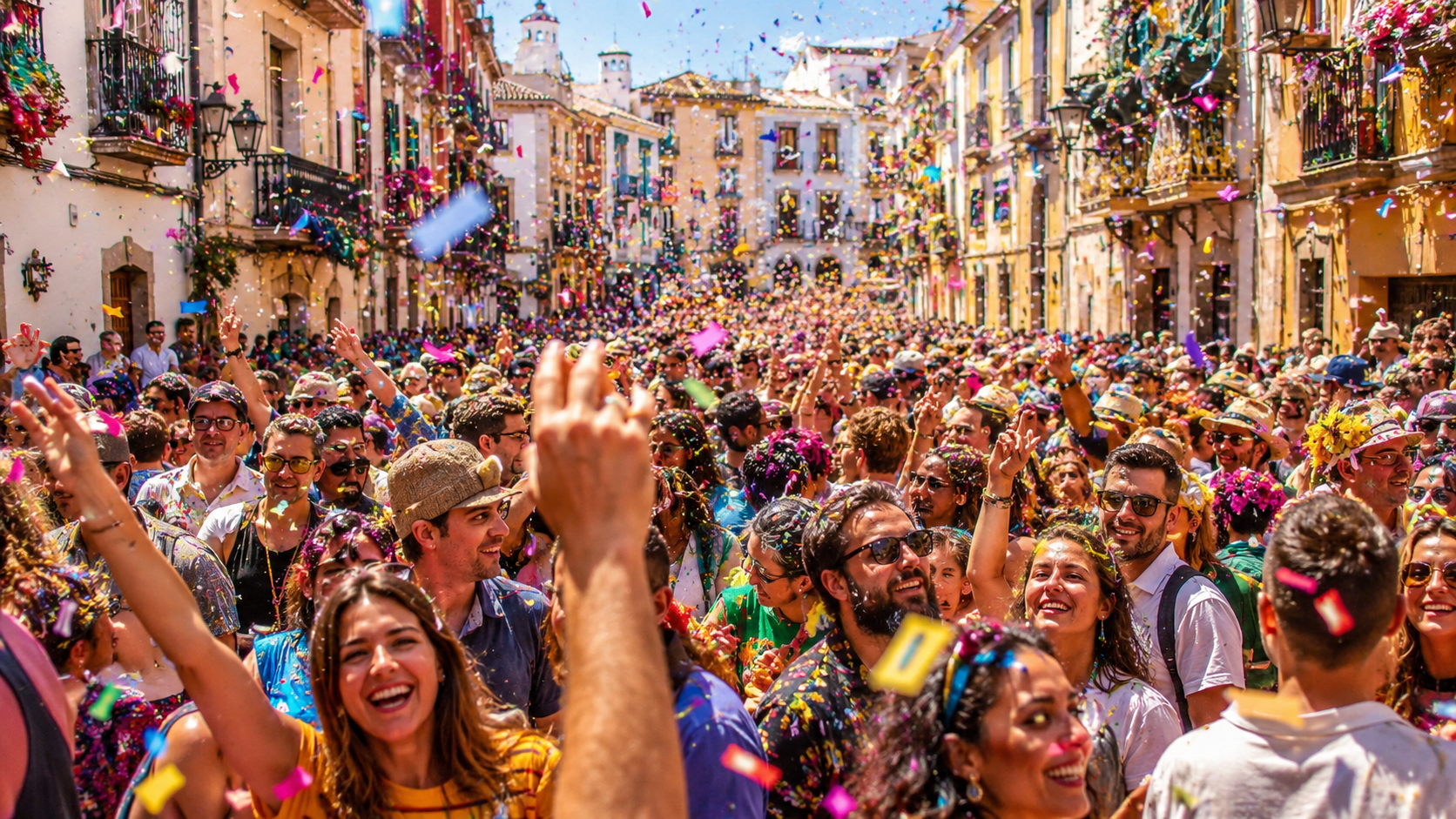
10 Strangest Town Traditions That Will Leave You Speechless
The world is a vast and wonderfully diverse place. While we all share common human experiences, the way different communities celebrate, honor their history, and simply have fun can vary wildly. Sometimes, these local customs evolve into events so bizarre that they leave outsiders utterly bewildered.
If you think your hometown’s annual parade is a little quirky, wait until you read about what goes on in other parts of the globe. From chasing dairy products down steep hills to leaping over infants, we’ve rounded up 10 of the strangest town traditions that will leave you absolutely speechless.
- 1. The Cooper’s Hill Cheese-Rolling and Wake (England)
- 2. El Colacho: The Baby Jumping Festival (Spain)
- 3. La Tomatina: The Ultimate Tomato Fight (Spain)
- 4. Kanamara Matsuri: The Festival of the Steel Phallus (Japan)
- 5. The Monkey Buffet Festival (Thailand)
- 6. Night of the Radishes (Mexico)
- 7. Wife Carrying World Championship (Finland)
- 8. Boryeong Mud Festival (South Korea)
- 9. Thaipusam: A Festival of Piercing Devotion (Malaysia/Singapore)
- 10. The Battle of the Oranges (Italy)
- Why Do These Bizarre Traditions Exist?
- Conclusion
- Frequently Asked Questions (FAQ)
1. The Cooper’s Hill Cheese-Rolling and Wake (England)
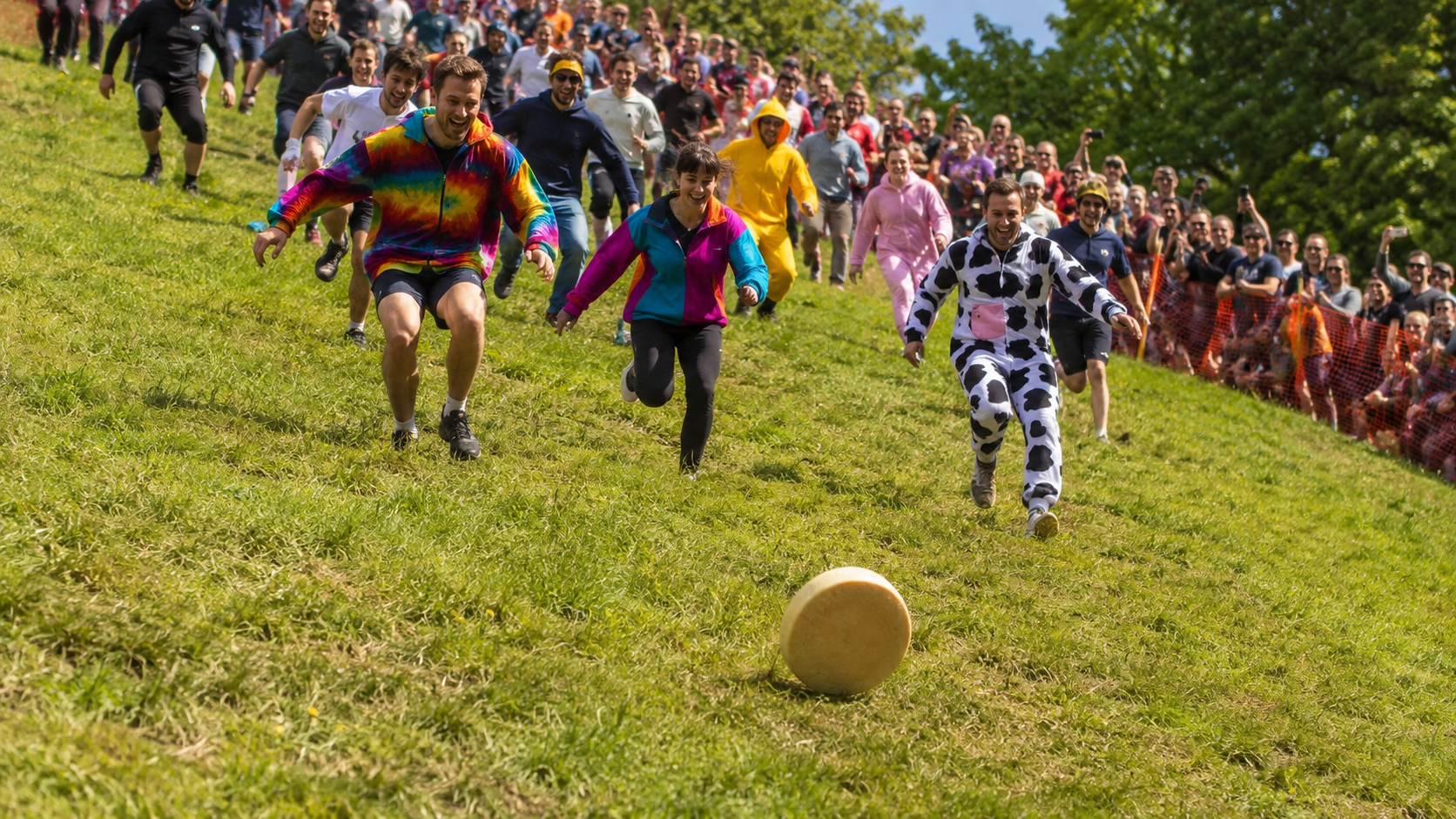
Imagine a steep, dangerously uneven hill. Now, imagine a 9-pound wheel of Double Gloucester cheese rolling down it at speeds up to 70 mph. Finally, picture dozens of people throwing themselves down the hill after it.
This is the annual Cooper’s Hill Cheese-Rolling near Gloucester, England. The premise is simple: the first person to cross the finish line at the bottom wins the cheese. The reality, however, is a chaotic tumble of limbs, resulting in frequent (and sometimes serious) injuries. Despite safety concerns and official attempts to ban it, this centuries-old tradition continues, fueled by local pride and an undeniable thrill.
2. El Colacho: The Baby Jumping Festival (Spain)
In the village of Castrillo de Murcia, Spain, they take the concept of a blessing to an extreme level. Since the 1620s, the town has celebrated the Catholic feast of Corpus Christi with El Colacho, or the Baby Jumping Festival.
During the event, men dressed as the devil (the Colacho), wearing red and yellow suits and carrying whips, run through the streets. They then leap over rows of babies—usually those born in the previous year—who are laid out on mattresses on the ground. The ritual is believed to cleanse the infants of original sin, ensure them safe passage through life, and guard against illness. While it looks terrifying to onlookers, it is a deeply rooted tradition for the locals.
3. La Tomatina: The Ultimate Tomato Fight (Spain)
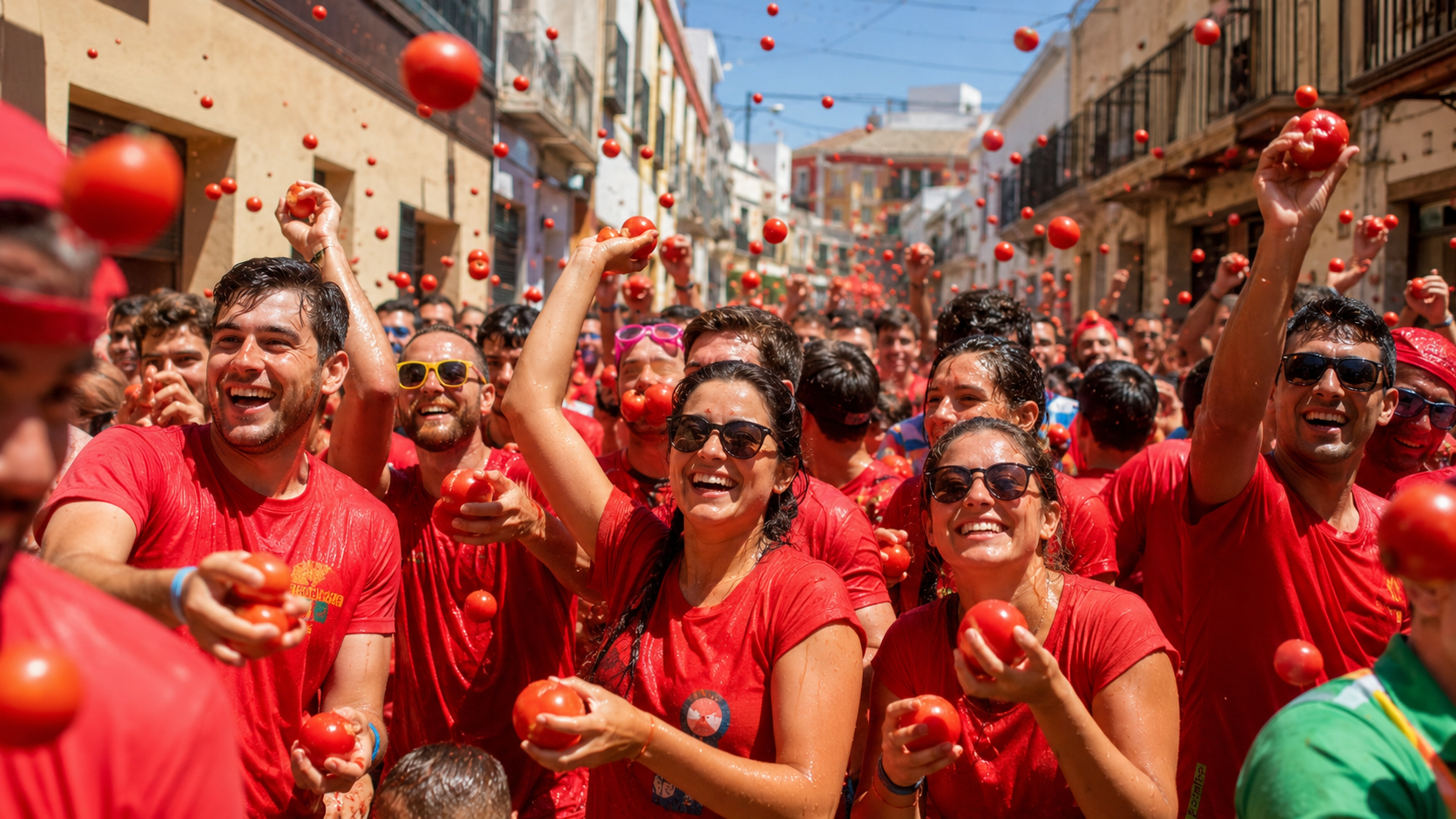
If you’ve ever wanted to throw food without getting in trouble, Buñol, Spain, is the place to be on the last Wednesday of August. La Tomatina is arguably the world’s largest food fight.
Tens of thousands of participants gather in the streets, and when the starting signal sounds, trucks dump metric tons of over-ripe, squashed tomatoes into the crowd. For exactly one hour, it is absolute red chaos. The origins are debated—some say it started as a street brawl in 1945—but today, it is a purely joyous, incredibly messy celebration that ends with the streets (and the people) being hosed down by local authorities.
4. Kanamara Matsuri: The Festival of the Steel Phallus (Japan)
Held every spring in Kawasaki, Japan, the Kanamara Matsuri (Festival of the Steel Phallus) often surprises international visitors. The focal point of the parade involves carrying three large phallus-shaped mikoshi (portable shrines) through the streets.
While the imagery is undeniable, the festival’s roots are serious. It originated at the Kanayama Shrine, historically a place where prostitutes would pray for protection from sexually transmitted infections. Today, the festival celebrates fertility, safe childbirth, and marital harmony. It also serves as a major fundraising event for HIV/AIDS research, combining ancient traditions with modern causes.
5. The Monkey Buffet Festival (Thailand)
In the ancient city of Lopburi, Thailand, macaque monkeys are not just tolerated; they are celebrated. The annual Monkey Buffet Festival is held to thank the thousands of monkeys that live in the city and attract tourists.
Local residents and chefs prepare tons of fruit, vegetables, and even sweet treats, arranging them in elaborate displays around the Phra Prang Sam Yot temple. The monkeys are then let loose to feast. It’s a chaotic, noisy, and fascinating spectacle that highlights the unique coexistence of humans and wildlife in the region.
6. Night of the Radishes (Mexico)
In Oaxaca, Mexico, December 23rd is entirely dedicated to the radish. Noche de Rábanos (Night of the Radishes) is an event where local artisans carve oversized radishes into incredibly intricate scenes.
These aren’t your typical salad radishes; they are specially grown and heavily fertilized to reach massive sizes, sometimes up to 3 kilos. The carvings depict nativity scenes, local folklore, and historical events. Because the radishes wilt quickly after being carved, the incredible artwork is ephemeral, lasting only a few hours, which makes the exhibition even more special.
7. Wife Carrying World Championship (Finland)

If you think marriage is an obstacle course, the town of Sonkajärvi in Finland has taken that literally. The Wife Carrying World Championship (Eukonkanto) requires male competitors to race through a 253.5-meter track featuring sand, water, and wooden fences—all while carrying a female teammate.
Despite the name, the “wife” doesn’t have to be legally married to the runner, but she must weigh at least 49 kilograms. The most popular carrying technique is the “Estonian style,” where the woman hangs upside down with her legs around the man’s neck. The grand prize? The woman’s weight in beer.
8. Boryeong Mud Festival (South Korea)
What started in 1998 as a marketing campaign for cosmetics made from local mud has turned into one of South Korea’s most popular summer festivals. In the city of Boryeong, millions of people gather to get completely filthy.
The festival features mud pools, mud slides, mud skiing, and even mud wrestling. The mud, sourced from the Boryeong mud flats, is rich in minerals and is considered highly beneficial for the skin. It’s a rare opportunity for adults to embrace their inner child and get as messy as possible in the name of wellness and fun.
9. Thaipusam: A Festival of Piercing Devotion (Malaysia/Singapore)
Observed by Tamil Hindu communities, particularly in Malaysia (Batu Caves) and Singapore, Thaipusam is a visually striking festival of devotion to Lord Murugan.
Devotees seek blessings, fulfill vows, and offer thanks. The most intense form of devotion involves carrying a kavadi—a large, ornate structure attached to the devotee’s body using hooks and skewers that pierce their skin, cheeks, and tongue. Participants enter a trance-like state to endure the pain, which is seen as a test of faith and physical endurance.
Note: While visually intense, it is important to view this tradition with respect for the deep religious devotion it represents.
10. The Battle of the Oranges (Italy)
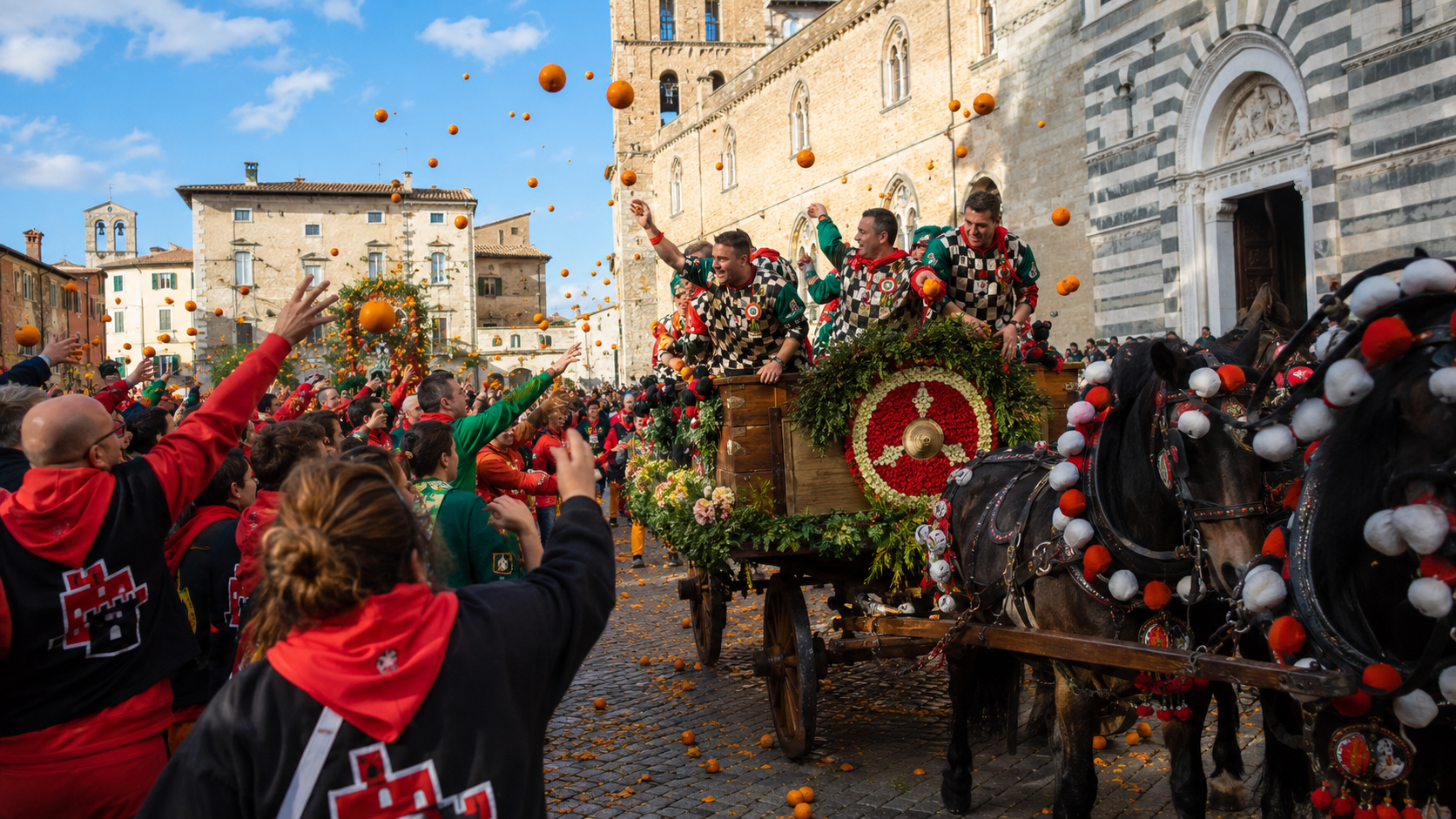
The northern Italian city of Ivrea hosts what is essentially a massive, organized fruit war every February. The Battle of the Oranges is a recreation of a medieval rebellion where townsfolk overthrew an oppressive tyrant.
During the festival, “aranceri” (orange handlers) divided into nine teams on the ground fiercely throw oranges at other teams riding in horse-drawn carts (representing the tyrant’s guards). Over 500,000 kilograms of oranges are destroyed during the three-day event. It is a sticky, bruises-inducing tradition that locals participate in with intense passion.
Why Do These Bizarre Traditions Exist?
You might wonder why communities continue practices that seem dangerous, messy, or just plain weird. The reasons generally come down to a few key factors:
-
Community Bonding: Preparing for and participating in these events creates strong social ties.
-
Cultural Identity: Unique traditions give towns a distinct identity and a sense of pride.
-
Historical Connection: They are a way to honor ancestors, legends, or historical events, keeping the past alive.
-
Tourism and Economy: Many of these festivals draw massive crowds, providing a significant boost to local economies.
Conclusion
The world is full of surprises, and these 10 strangest town traditions are proof that human culture is wonderfully unpredictable. Whether it’s throwing tomatoes in Spain, carrying a “wife” through mud in Finland, or chasing a cheese wheel down a dangerous hill, these events remind us that there is no single way to celebrate life.
While they may leave us speechless, they also offer a fascinating glimpse into the history, beliefs, and sheer sense of fun that define communities around the globe.
Frequently Asked Questions (FAQ)
Are these strange traditions safe?
Safety varies greatly. Events like La Tomatina or the Mud Festival are generally safe but messy. However, the Cheese-Rolling and Thaipusam carry significant risks of injury. It is recommended to check official information and safety guidelines before participating in any extreme tradition.
Can tourists participate in these festivals?
Yes, most of these festivals welcome international tourists. Events like the Wife Carrying Championship and La Tomatina actively encourage foreign participation. However, religious events like Thaipusam require respectful observation rather than active participation unless you are a devotee.
Why do they use food in festivals like La Tomatina or the Battle of the Oranges?
In La Tomatina, over-ripe tomatoes that are not suitable for consumption are used. In Ivrea, the oranges used are typically those that cannot be sold for eating. While it looks like food waste, the economic boost from tourism often offsets the cost, though debates about food waste do occur.
Is the baby jumping festival legal?
Yes, El Colacho is a legal and deeply historical event in Castrillo de Murcia. While the Catholic Church’s higher authorities have sometimes distanced themselves from it, it remains a beloved local tradition.
How do I find out the exact dates for these festivals?
Because many are tied to lunar calendars, religious holidays, or specific days of a month (like the “last Wednesday of August”), dates change yearly. It is always best to check the official tourism websites of the specific towns for the most accurate and up-to-date information.